Moisture Resistance: How Engineered Timber Handles Humid Spaces
When choosing flooring for kitchens, living areas, or moisture-prone environments, many homeowners worry about how timber will perform over time. Natural hardwood—although stunning—can be vulnerable to warping, swelling, or cupping when exposed to humidity. That’s where engineered timber becomes an ideal middle ground. Brands like Carpet One Crows Nest offer high-quality engineered timber flooring options designed to maintain beauty and structural stability even in challenging indoor climates.
Understanding how engineered timber responds to moisture can help you make a confident and long-lasting flooring choice. This blog explores why engineered timber is more moisture-resistant than solid hardwood, how it behaves in humid environments, and the best practices for maintaining it in your home.
Why Moisture Matters in Flooring Choices
Moisture is one of the most common causes of flooring damage. Regardless of location—be it a coastal home, a property with poor ventilation, or rooms like kitchens and basements—fluctuations in humidity can impact the longevity and appearance of your floors.
Typical moisture-related problems include:
- Swelling or warping of timber planks
- Gapping and cracking as boards expand and contract
- Buckling due to prolonged contact with moisture
- Mould or mildew growth under floor surfaces
Engineered timber was specifically designed to minimise these issues. While it retains the natural beauty of real timber, its construction makes it far more stable in humid settings.
What Makes Engineered Timber Different?
Many people assume engineered timber is similar to laminate flooring, but they are fundamentally different. Engineered timber contains a real hardwood top layer, giving it the same visual appeal and authentic texture as solid hardwood.
However, the real advantage lies beneath—its core.
1. Multi-Layered Construction
Engineered timber consists of several layers of plywood or high-density fibreboard pressed together with grains running in alternating directions. This cross-lamination technique enhances dimensional stability and drastically reduces expansion and contraction.
2. Hardwood Veneer Surface
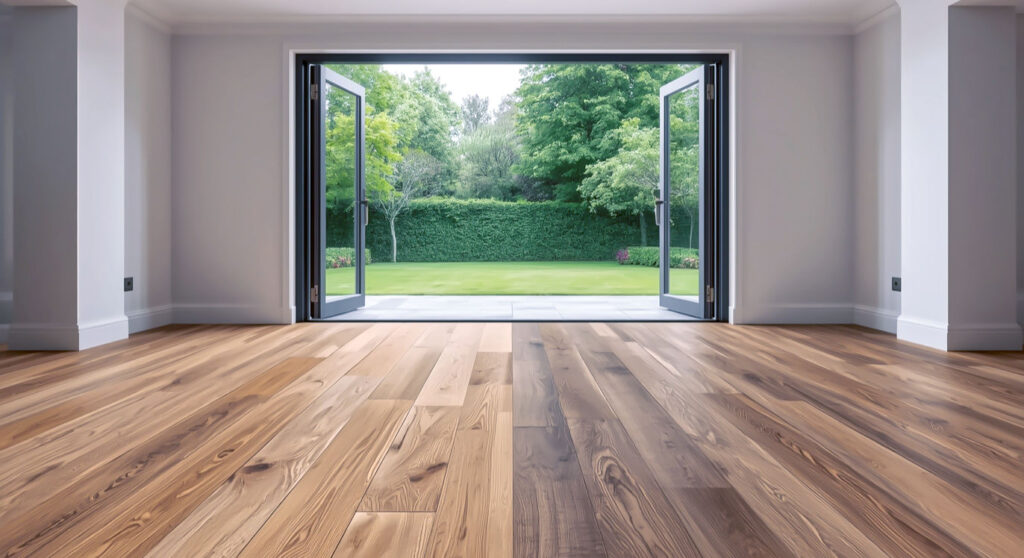
The top layer is made from genuine hardwood, so you still get the beauty, character, and warmth of natural timber. This layer can also be refinished depending on thickness.
3. Moisture-Resistant Core
The middle layers are specially engineered to resist moisture penetration far better than a solid timber plank would. This is why engineered timber does not react as dramatically to humidity changes.
Together, these features allow engineered timber to maintain its structural integrity and appearance even when exposed to varying indoor moisture levels.
How Engineered Timber Handles Humidity
Humidity causes timber to absorb moisture and expand. When the air becomes dry again, it contracts. This natural movement happens in all wood products—but engineered timber is specially designed to minimise this movement.
Here’s how it performs in humid environments:
1. Reduced Expansion and Contraction
The multi-layered core provides a balancing effect that resists swelling. Even when humidity spikes, engineered timber expands evenly and less aggressively than solid hardwood.
2. Better Stability in Seasonal Climates
In regions where humidity fluctuates throughout the year, engineered timber is far less likely to develop gaps, cupping, or uneven surfaces.
3. Suitable for Multi-Storey Installations
Unlike solid hardwood, engineered timber can be safely installed in apartments, above ground level, or over concrete slabs—areas traditionally more prone to moisture concerns.
4. Compatible with Underfloor Heating
Solid timber often struggles with warm, dry air that can cause cracking. Engineered timber, however, maintains structural stability when installed over underfloor heating systems.
Where Engineered Timber Performs Best in Humid Spaces
While not waterproof, engineered timber is highly moisture-resistant and can be used in more areas than solid hardwood.
1. Kitchens
Engineered timber can handle occasional moisture, spills, and a naturally humid cooking environment. As long as spills are wiped quickly, it performs exceptionally well.
2. Living Rooms and Hallways
These high-traffic spaces benefit from engineered timber’s strength and stability, ensuring the floor remains smooth and intact through seasonal humidity changes.
3. Basements (With Precautions)
Basements often experience higher humidity. Engineered timber is a safer choice here than solid timber—but it still requires proper moisture barriers and subfloor preparation.
4. Coastal Homes
Homes near the coast experience consistently high humidity levels. Engineered timber’s layered construction prevents the warping and swelling common with hardwood in such environments.
Not Recommended for Wet Areas
Although engineered timber is moisture-resistant, it is not waterproof. Therefore, it should not be used in:
- Bathrooms
- Laundries
- Areas with standing water
- Outdoor spaces
For these locations, a completely waterproof flooring material is more appropriate.
Benefits of Engineered Timber in Humid Conditions
1. Enhanced Longevity
Because engineered timber is less susceptible to moisture damage, it maintains its shape and strength much longer than natural hardwood.
2. Less Maintenance
You won’t have to constantly monitor humidity levels or worry about frequent sanding, refinishing, or board replacement.
3. Authentic Timber Look
The real hardwood veneer ensures your flooring has the same natural grain, warmth, and texture as traditional timber floors.
4. Easier Installation
Engineered boards can be installed as floating floors or glued down, making them more versatile for different subfloor conditions.
5. Eco-Friendly Option
Engineered timber uses less hardwood material in its production, making it a more sustainable flooring choice.
Maintenance Tips to Improve Moisture Resistance
To ensure your engineered timber flooring performs at its best in humid spaces, simple maintenance habits go a long way.
1. Clean Spills Immediately
While occasional moisture won’t damage engineered timber, prolonged exposure to water can. Wipe spills promptly.
2. Use Proper Cleaning Products
Avoid wet mops or steam mops. Instead, use a microfiber mop and cleaning solutions recommended by the manufacturer.
3. Maintain Indoor Humidity Levels
Aim for 40–60% humidity indoors. A dehumidifier or good ventilation helps keep the environment stable.
4. Use Area Rugs and Mats
Placing rugs near sinks or entrances reduces moisture exposure and keeps the floor looking new.
5. Protect High-Traffic Areas
Furniture pads, mats, and protective pads help reduce wear and tear, especially in humid climates.
Why Engineered Timber Is a Smart Choice for Australian Homes
Australia’s climate varies widely—from humid coastal regions to dry interiors and variable temperatures. Engineered timber is able to adapt to these environmental challenges more effectively than solid hardwood.
Its strength, durability, and stability make it an excellent choice for homeowners who want the beauty of timber without the maintenance headaches associated with moisture. Whether you’re renovating a kitchen, upgrading your living space, or designing a new home, engineered timber offers reliability and long-lasting performance.
Final Thoughts
Engineered timber flooring combines the timeless appeal of real wood with modern engineering that boosts moisture resistance and structural integrity. When installed correctly and maintained well, it can handle humidity far better than traditional hardwood—making it a versatile and stylish option for many parts of the home. Retailers like Carpet One Crows Nest provide a curated range of engineered timber flooring options that balance aesthetics, stability, and long-term value. If you’re planning a flooring upgrade for a moisture-prone area, engineered timber is a smart investment that delivers both beauty and durability.